
[disclaimer: this is an English translation of a Dutch article on accessible tourism, containing information that applies to Dutch law. In the blog, an effort was made to explain the implications in plain Dutch language. Nuances may have gotten lost in translation].
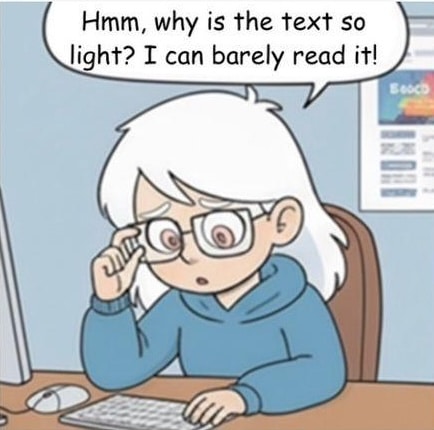
Last year, student Kathleen York worked at the Urban Leisure & Tourism Lab on research into the legal aspects of accessible tourism. She will soon graduate with this work. Her professional product consists of informative comics and a tested prototype of a checklist. The comics illustrate how frustrating it is when, as a traveler with a disability, you do not have access to important information or travel options, and how easy it can be for an organization to make adjustments in this regard. This is not about good intentions, but about legal rights. Travel organizations are required to make their products and services accessible. Not everyone knows this, not everyone does this, and in some cases, it is not possible. But more often than not, it is possible. How can we make it work?
The ‘Implementation Act on Accessibility Regulations’ (‘implementatiewet toegankelijkheidsvoorschriften’) entered into force in June 2025. This law obliges providers of products and services to make them accessible to people with disabilities as well. The law is linked to the ‘Equal Treatment Act on the Basis of Disability or Chronic Illness’. Providers are required to make ‘effective adjustments,’ but when is an adjustment effective? When it meets the traveler’s needs. However, not every traveler has the same needs. And it must be feasible; otherwise, it constitutes a ‘disproportionate burden.’ But as an organization, you cannot simply claim that an adjustment is too burdensome.
These are therefore open concepts that can play a role at various levels within an organization: from the hospitality that is part of the corporate culture, to the design of bathrooms and the layout of the webpage. In addition to the necessity of complying with the law, the organization’s capabilities also play a role: what do you need to know and be able to do, to do it right? To address this, Kathleen developed a checklist, which she also tested with organizations. In this way, she clarifies the rights and obligations of organizations. She combined legal and practical research and advised the Urban Leisure & Tourism Lab accordingly.
She has conducted research into the needs of people with disabilities: everyone needs clear and accessible (digital) information. People with hearing impairments need visually supported information; with a physical disability, you want detailed information about physical accessibility; with a visual impairment, you want digitally assisted technologies to make information accessible. And if you have limited mobility, you want clear information about the physical demands of the trip and available support.
This information is far from always available, and that is where the checklist Kathleen created helps. In this way, she helps the Urban Leisure & Tourism Lab to alert the travel industry to the possibilities of making accessibility a standard. The report [in Dutch] and the checklists can be viewed and downloaded below. Please let us know what you think: are they helpful? What could be improved upon?
Lab affiliated researcher Veroniek Maat recently published the book ‘All aboard’, which also includes Kathleen’s comics. The festive presentation will take place on June 9 during the ENSUT Get Togeter on accessible tourism. Kathleen will also speak about her work there. You can find more information here.
Are you also interested in doing your graduation research at the lab? Then please contact community manager Maaike de Jong.